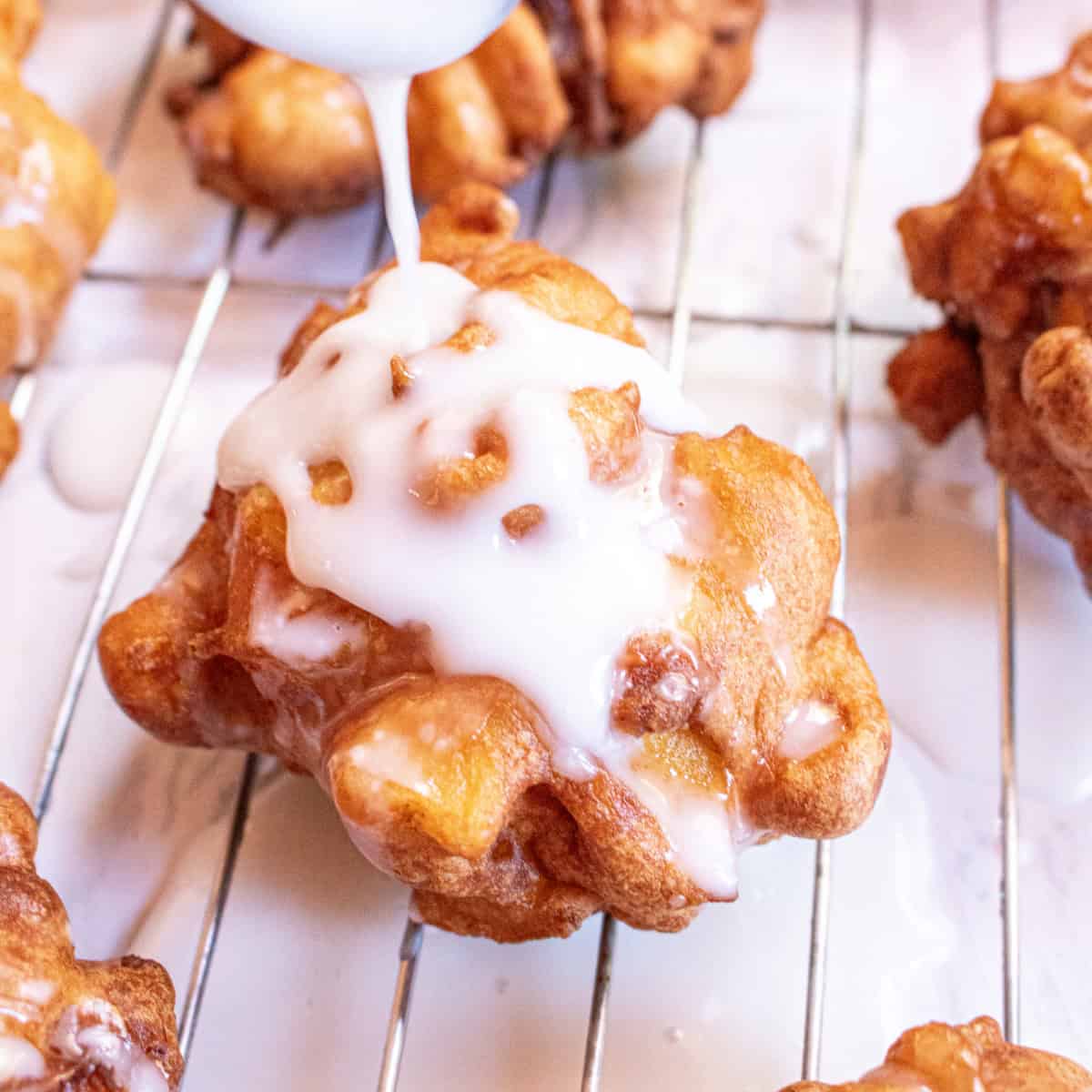
Imagine a treat that transports you straight back to a cozy autumn morning, the air thick with the scent of cinnamon and warm apples. A bite that delivers a satisfying crunch, followed by a soft, fluffy interior, punctuated by tender, spiced apple chunks. No, you don't need to brave the bakery lines; this delightful experience is within reach right in your own kitchen with homemade apple fritters.
Forget the intimidation of yeast-based doughs or complex pastry techniques. This article will guide you through crafting easy homemade apple fritters that are perfectly crispy on the outside, wonderfully fluffy within, and bursting with vibrant apple flavor – all without a single packet of yeast. Get ready to transform simple pantry staples and fresh apples into an unforgettable treat that rivals any gourmet doughnut shop offering.
Why Homemade Apple Fritters Are Your Next Favorite Treat
There's something inherently comforting and indulgent about apple fritters. They embody a perfect balance of sweet, tart, and warm spice, making every bite a delightful sensory journey. If you're craving a golden, cozy, and undeniably nostalgic treat, these homemade apple fritters are it.
The Irresistible Appeal of Apple Fritters
What makes an apple fritter so special? It's the harmonious contrast of textures and flavors. The exterior achieves a beautiful golden crispness from the hot oil, giving way to a pillow-soft, airy crumb. Scattered throughout are juicy, tender pieces of apple, infused with warming cinnamon, offering pockets of fruity sweetness that cut through the richness of the fried dough. Often described as a delicious cross between a pancake and a doughnut, apple fritters offer all the indulgence with significantly less fuss. They evoke a feeling of home, of family, and of simpler times, making them much more than just a dessert; they're an experience.
A Brief History of the Beloved Fritter
The concept of fritters – any food, savory or sweet, that is battered or dough-based and then fried until golden and crisp – is far from new. Their origins can be traced back centuries, with versions of fruit-filled, fried dough appearing in European cookbooks as early as the Middle Ages, particularly in England and France. These rustic, humble preparations eventually crossed the Atlantic with European immigrants, evolving over time into the familiar, often glaze-topped treats we cherish today.
While often grouped with doughnuts due to their similar dough and frying method, apple fritters stand apart in their unique, rustic charm. Unlike neat rings or filled rounds, fritter dough is typically spooned into the hot oil in irregular, free-form clusters. This not only makes them incredibly easy to prepare but also ensures every fritter boasts unique nooks and crannies, perfect for capturing extra crispiness or a generous dusting of sugar.
Mastering the Fritter: Key Ingredients and Smart Substitutions
The beauty of this easy apple fritters recipe lies in its simplicity. You won't need exotic ingredients or specialized equipment. Just a handful of pantry staples, fresh apples, and a deep pan for frying are all you require to create this classic comfort dessert.
Choosing Your Apples Wisely
The type of apple you choose can significantly impact the texture and flavor of your fritters. For the best results, opt for crisp varieties that hold their shape well during cooking and offer a good balance of sweet and tart. Excellent choices include:
- Gala: Sweet, crisp, and widely available.
- Rome Beauty: A classic baking apple that softens beautifully without turning to mush.
- McIntosh: Known for its aromatic, slightly tart flavor and tender flesh.
- Honeycrisp: Exceptionally crisp and sweet, though they might be a bit pricier.
- Granny Smith: If you prefer a more tart fritter, these are a great option, though you might want to increase the sugar slightly.
Dicing your apples into small, consistent pieces (about 1/4 to 1/2 inch) ensures they cook evenly and are well-distributed throughout the batter. Tossing them with cinnamon and a touch of flour beforehand not only infuses every apple bite with warm spice but also helps prevent them from sinking to the bottom of the batter.
The Secret to a Tender, Fluffy Batter (No Yeast!)
The hallmark of a great fritter is its tender, fluffy interior. Achieving this without yeast is surprisingly straightforward, relying on a few key ingredients:
- All-Purpose Flour: The foundation of our batter.
- Baking Powder: This is your primary leavening agent. It reacts with liquid and heat to create air bubbles, giving the fritters their desired fluffiness and lift. No waiting for dough to rise!
- Granulated Sugar: Adds sweetness and aids in browning.
- Salt: A crucial flavor enhancer that balances the sweetness.
- Milk: Provides moisture and helps create a smooth batter. Any type of milk (dairy or non-dairy) will work.
- Yogurt: This is a secret weapon for tenderness and moisture. Its acidity also helps activate the baking powder. Use plain unsweetened yogurt – Greek, regular, or even a plain vegan variety are all excellent choices. It adds a subtle tang that complements the apples beautifully.
- Vegetable Oil (or Melted Butter): A neutral oil like vegetable, canola, or grapeseed works perfectly in the batter and for frying. If you prefer, melted butter can be used in the batter for a richer flavor.
Elevating Flavor: Spices and Sweeteners
While cinnamon is the star of the show for apple fritters, don't shy away from experimenting with other warm spices. A pinch of nutmeg, cardamom, or allspice can add delightful depth. A splash of vanilla extract in the batter is also essential for a well-rounded, aromatic flavor profile. For serving, a simple dusting of powdered sugar is classic, but a quick glaze made from powdered sugar, milk, and a touch of vanilla can elevate your fritters to bakery-worthy status.
Your Step-by-Step Guide to Perfect Apple Fritters
Making crispy, fluffy apple fritters at home is a fun and rewarding process. Follow these steps for guaranteed success:
Prepping Your Apples for Success
- Start by washing, peeling, coring, and dicing your chosen apples into small, uniform pieces (1/4 to 1/2 inch). Consistency is key for even cooking.
- In a medium bowl, toss the diced apples with 1 teaspoon of ground cinnamon and 1-2 teaspoons of all-purpose flour until they are evenly coated. The flour helps to absorb some of the apple's moisture and prevents them from clumping and sinking in the batter. Set aside.
Crafting the Ideal Batter Consistency
- In a large mixing bowl, whisk together your dry ingredients: flour, sugar, baking powder, and salt. Make sure there are no lumps.
- In a separate bowl, whisk together the wet ingredients: milk, yogurt, vegetable oil (or melted butter), and vanilla extract.
- Pour the wet ingredients into the dry ingredients and stir until just combined. The batter should be thick, smooth, and spoonable – similar to a thick pancake batter. Avoid overmixing, as this can lead to tough fritters.
- Gently fold in the cinnamon-coated apples until they are evenly distributed throughout the batter.
The Art of Frying: Temperature and Technique
Frying can seem daunting, but with the right temperature and technique, it's straightforward.
- Choose a heavy-bottomed skillet or Dutch oven for frying. Add about 2 inches of neutral, high-smoke-point vegetable oil (like canola, grapeseed, or sunflower oil).
- Heat the oil over medium-high heat until it reaches 350°F (175°C). Using a deep-fry thermometer is highly recommended for accuracy. Maintaining the correct oil temperature is crucial for fritters that are golden outside and cooked through inside without being greasy or burned.
- Once the oil is at temperature, carefully drop mounds of batter into the hot oil using an ice cream scoop or two spoons. Don't overcrowd the pan; work in small batches (3-4 fritters at a time) to avoid dropping the oil temperature too much.
- Fry the fritters for about 2-3 minutes per side, or until they are puffed, golden brown, and cooked through. They should float and brown evenly.
- Using a slotted spoon or spider, transfer the cooked fritters to a wire rack set over a baking sheet lined with paper towels to drain any excess oil.
The Finishing Touch: Glaze vs. Sugar Dust
While still warm, you have a few options for finishing your apple fritters:
- Simple Sugar Dust: A classic choice. Generously sprinkle with granulated sugar or powdered sugar for a delicate sweetness.
- Quick Glaze: For a bakery-style finish, whisk together 1 cup powdered sugar, 2-3 tablespoons milk (or apple cider for extra flavor), and 1/2 teaspoon vanilla extract until smooth. Dip the warm fritters into the glaze, letting any excess drip off, then place back on the wire rack for the glaze to set slightly.
Troubleshooting Common Fritter Fails & Pro Tips
Even seasoned home cooks encounter hiccups. Here's how to troubleshoot common issues and some extra tips for perfect fritters every time:
Why Are My Fritters Soggy or Greasy?
- Oil Temperature Too Low: This is the most common culprit. If the oil isn't hot enough, the fritters will absorb too much oil instead of frying quickly to a crisp. Always use a thermometer and ensure it's at 350°F (175°C).
- Overcrowding the Pan: Adding too many fritters at once drastically drops the oil temperature, leading to the same soggy outcome. Fry in small batches.
- Not Draining Properly: Ensure your fritters drain on a wire rack (not directly on paper towels, which can trap steam and make them soggy) after frying.
Too Dark Outside, Raw Inside?
- Oil Temperature Too High: If the oil is too hot, the exterior will brown rapidly before the inside has a chance to cook through. Adjust your heat source and monitor the temperature carefully.
- Fritters Too Large: Very large fritters take longer to cook internally. Keep them to a manageable size.
Keeping Them Warm and Crispy
Apple fritters are always best served immediately, straight from the fryer. However, if you're making a larger batch or want to keep them warm for a short period:
- Place them on a wire rack set over a baking sheet in a warm oven (around 200°F / 95°C).
- Avoid stacking them, as this can trap steam and soften the crust.
Pro Tips for Fritter Perfection:
- Use a Thermometer: This is non-negotiable for consistent frying results.
- Don't Overmix: Mix the batter just until the ingredients are combined. Overmixing develops gluten, leading to tougher fritters.
- Consistent Apple Dicing: Uniform apple pieces ensure even cooking and distribution.
- Taste Test: Before frying a whole batch, fry one "test fritter" to check the seasoning and oil temperature. Adjust as needed.
- Freshness Matters: While these are delicious stored for a day, they truly shine when eaten warm and fresh.
There you have it – a comprehensive guide to crafting easy homemade apple fritters that are crispy, fluffy, and incredibly flavorful, all without the need for yeast. This recipe is not just about making a delicious treat; it's about creating a moment of cozy comfort, a touch of nostalgia, and the simple joy of sharing something wonderful you've made with your own hands. So, grab those apples, heat that oil, and get ready to fill your home with the irresistible aroma of fall. Your taste buds will thank you!
